
when do babies start to teeth
2025-07-21
When Do Babies Start to Teeth?
As a parent, you’re constantly watching for your baby’s next milestone—their first roll, first giggle, or first attempt to sit up. Among these exciting moments, one question often lingers: When do babies start to teeth? Teething is a significant step in your little one’s development, marked by tiny teeth breaking through those soft gums. Let’s dive into everything you need to know, from timing to tips for soothing, plus why tools like silicone finger brushes and teethers are game-changers.
The Typical Teething Timeline: When Do Babies Start to Teeth?
The short answer is: most babies start teething between 4 and 7 months old. But like all baby milestones, there’s a wide range of “normal.” Some infants begin as early as 3 months, while others might not see their first tooth until 12 months or later. Genetics play a big role here—if you or your partner teethed late, your baby might follow suit. Premature babies may also start a bit later, as their development often aligns with their due date rather than their birth date.
Let’s break down the typical sequence:
-
4–7 months: The lower front teeth (central incisors) usually make their debut first. These tiny, sharp nubs are often the first sign that teething is underway.
-
7–10 months: Upper central incisors follow, giving your baby that classic “toothy grin” look.
-
9–16 months: Lateral incisors (next to the front teeth) and first molars start to emerge. Molars can be trickier—their larger size means more pressure on the gums, which may lead to extra fussiness.
-
16–22 months: Canines (the pointed “eye teeth”) and second molars come in, completing the set of 20 baby teeth by around age 3.
Remember, this is just a guide. Some babies skip steps or take their time, and that’s perfectly okay. If your baby hasn’t started teething by 18 months, check in with their pediatrician to rule out rare issues, but in most cases, it’s simply part of their unique timeline.
Signs Your Baby Is Starting to Teethe
Teething isn’t always obvious at first, but once it kicks in, you’ll likely notice some telltale clues. These signs can start weeks before the first tooth breaks through:
-
Drooling overload: Expect bibs to become your new best friend. Teething stimulates saliva production, and babies can’t always swallow it all, leading to constant wet chins.
-
Chewing everything: From their own fists to your shoulder, toys, or even the edge of their high chair—chewing applies counter-pressure to sore gums, offering relief.
-
Fussiness and clinginess: Sore gums can make babies irritable, especially in the evenings. They may want extra cuddles or resist naps.
-
Swollen, tender gums: Run a clean finger gently over their gums—you might feel a hard bump or notice redness where a tooth is about to erupt.
-
Mild sleep disruptions: The discomfort can wake them up more often at night, even if they’re usually a solid sleeper.
-
Temporary loss of appetite: Sucking or chewing can hurt, so some babies eat less for a day or two.
A note on fevers: Teething can cause a very low-grade fever (under 100.4°F/38°C), but anything higher is likely unrelated. If your baby has a high fever, rash, or diarrhea, contact their doctor—it’s probably not teething.

Soothing Sore Gums: Why Teethers Are a Must-Have
When those gums feel tender, babies crave something to chew on—and that’s where teethers shine. These simple tools are designed to ease discomfort by providing pressure, and they’re a safe alternative to your baby gnawing on unsafe objects (like loose keys or hard toys).
Silicone teethers are a top choice for many parents. They’re soft yet durable, meaning they won’t break into small pieces, and they’re easy to clean (just wash with soap and water or toss in the dishwasher). Look for BPA-free, food-grade silicone options—they’re non-toxic and gentle on sensitive gums. Many come in fun shapes (think animals or stars) or with textured surfaces, which add extra relief by massaging the gums as your baby chews.
Pro tip: Chill the teether for 10–15 minutes first (avoid freezing, as that can be too harsh). The coolness numbs sore gums, making it even more soothing. Keep a few on hand—one in the diaper bag, one by the crib, and one in the kitchen—so you’re never without a go-to when fussiness strikes.
Starting Oral Care Early: The Role of Silicone Finger Brushes
Teething isn’t just about growing teeth—it’s also the perfect time to start good oral habits. Even before that first tooth pops through, bacteria can build up in your baby’s mouth, so gentle cleaning is key.
A silicone finger toothbrush is ideal for this stage. It’s a small, soft silicone sleeve that fits over your finger, with tiny bristles to gently wipe gums and emerging teeth. Here’s why it works:
-
Gentle on delicate gums: The soft silicone won’t irritate tender areas, even when teeth are just breaking through.
-
Easy to use: No need to wrestle with a tiny toothbrush—just slip it on your finger, moisten with water, and gently rub over gums and teeth after feedings.
-
Builds familiarity: Getting your baby used to having their mouth cleaned now makes transitioning to a regular toothbrush much easier later.
Look for a finger brush with a textured grip to prevent slipping, and make sure it’s BPA-free. Use it 1–2 times a day, especially before bed, to wipe away milk or food residue. It’s a simple step that sets the stage for a lifetime of healthy teeth.

What to Expect When the First Tooth Breaks Through
The moment you spot that tiny white nub pushing through the gum is thrilling! Here’s what happens next:
-
It might look a little “off” at first: New teeth are often slightly yellowish or uneven—this is normal. They’ll brighten and straighten as more teeth come in.
-
Soreness may stick around: The first few days after a tooth erupts can still be uncomfortable, so keep offering that teether.
-
Eating might change: Some babies dive into solid foods with newfound enthusiasm once they have a tooth to chew with, while others need softer foods for a day or two.
Once the first tooth is in, keep using that silicone finger brush to clean it gently. No toothpaste is needed yet—just water.

When to Worry: Is My Baby Teething “Too Late”?
If your baby is 12 months old and still toothless, you might start to wonder if something’s wrong. Rest easy: teething up to 14 months is still within the normal range. In fact, some babies don’t get their first tooth until 18 months.
If you’re concerned, talk to your pediatrician. They can check for signs of teeth under the gums (often felt as hard bumps) and rule out rare conditions like hypodontia (fewer teeth than usual). In most cases, though, it’s just a matter of time—those teeth will come in when they’re ready.
Final Thoughts: Embracing the Teething Journey
Teething is a messy, sometimes fussy phase, but it’s also a sweet reminder of your baby’s growth. From that first drooly grin to the day they flash their full set of baby teeth, each step is a milestone to celebrate.
By knowing when do babies start to teeth (usually 4–7 months, but varies!), recognizing the signs, and having tools like silicone teethers and finger brushes on hand, you’ll be ready to soothe those sore gums and keep their tiny mouths healthy.

Remember, every baby is different—some sail through teething with barely a whimper, while others need extra cuddles. Trust your instincts, and don’t hesitate to reach out to your doctor with questions. Before you know it, those tiny teeth will be chomping on crackers, smiling in photos, and making you fall in love all over again.
when does baby start teething
when do babies get their first teeth
Related Article

When your baby starts to switch to solid food, choosing the right feeding tools is an important part of keeping meal times safe, healthy and stress-free. Among all the essential items for baby feeding, silicone baby bowls have quickly become the favorite of modern parents around the world.But why is it so important to choose the right silicone baby bowl? So how should parents screen?Let's get started.
Why choosing the right silicone baby bowl is so important

Choosing the right cup for your baby is frustrating for many new parents. From safety to durability to ease of cleaning, every detail is related to the product your baby uses every day. In recent years, silicone baby cups have become increasingly popular among parents around the world. But are they really better than traditional glasses? How do you choose the right one for your child?This guide will tell you everything you need to know.
How to Choose a Suitable Silicone Cup for Your Baby
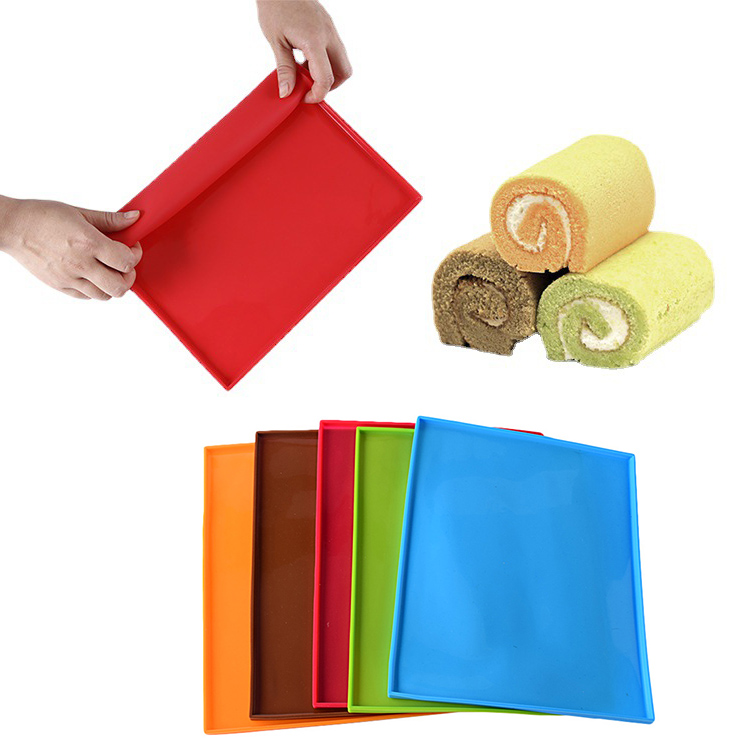
If you enjoy baking at home, you know how convenient a good silicone baking mat can be. From cookies to roasted vegetables to dough kneading, it offers a reusable, eco-friendly alternative to parchment paper.
A common question many bakers ask is: Can silicone baking mats go in the dishwasher?
The answer is yes—but there are a few things you should know to keep your mat clean, safe, and long-lasting. Let’s take a look.
A common question many bakers ask is: Can silicone baking mats go in the dishwasher?
The answer is yes—but there are a few things you should know to keep your mat clean, safe, and long-lasting. Let’s take a look.
can silicone baking mats go in the dishwasher

If you love cooking, you probably appreciate the comfort and convenience that silicone utensils bring to your kitchen. From flexible spatulas to heat-resistant spoons, they make stirring, flipping, and mixing much easier. But when it’s time to clean up, one question often comes up: Are silicone utensils dishwasher safe?
The short answer — yes! But let’s take a closer look at why silicone utensils are not only safe for dishwashers but also one of the smartest choices for a modern kitchen.
The short answer — yes! But let’s take a closer look at why silicone utensils are not only safe for dishwashers but also one of the smartest choices for a modern kitchen.
are silicone utensils dishwasher safe
SEND MESSAGE