
when do kids lose baby teeth
2025-07-02
When Do Kids Lose Baby Teeth? A Parent's Guide
As a parent, you may have noticed your little one wiggling a tooth or complaining about a sore gum. This is often a sign that your child is starting to lose their baby teeth—a natural and exciting milestone in their growth. But when exactly does this process begin, and what should you expect? Let’s dive into the details of when kids lose baby teeth.
Typically, children start losing their baby teeth around the age of 6. This is when the first permanent teeth begin to push up from the gums, gradually loosening the roots of the baby teeth until they fall out. The process usually continues until around age 12 or 13, when most of the permanent teeth have emerged. However, it’s important to remember that every child is unique, and the timing can vary by a year or two.

The order in which baby teeth are lost follows a fairly predictable pattern. Usually, the two bottom front teeth (central incisors) are the first to go. These are quickly replaced by the permanent central incisors. Next, the top two front teeth follow suit. As the years go by, the lateral incisors, first molars, canines, and second molars will also loosen and fall out, making way for their permanent counterparts. This sequential process ensures that your child always has functional teeth for chewing and speaking.
Several factors can influence when a child loses their baby teeth. Genetics play a significant role; if you lost your baby teeth early or late, there’s a good chance your child will follow the same pattern. Nutrition also matters—diets rich in calcium, vitamin D, and phosphorus help maintain strong teeth and bones, potentially affecting the timing of tooth loss. Additionally, oral hygiene habits can impact the process. Poor dental care may lead to tooth decay, which could cause baby teeth to fall out earlier than normal or even affect the development of permanent teeth.

It’s normal for children to feel a mix of excitement and anxiety during this phase. Losing a tooth can be a fun adventure, especially with the anticipation of the Tooth Fairy’s visit. However, some kids may worry about pain or bleeding. As a parent, you can ease their concerns by explaining the process in simple terms, reassuring them that it’s a natural part of growing up, and teaching them proper oral care to keep their new teeth healthy.
In conclusion, while the average age for kids to start losing baby teeth is around 6, the journey is different for every child. By understanding the process, recognizing the signs, and providing the right support, you can help your child navigate this exciting stage with confidence and a bright, healthy smile.
when do babies get their teeth
how to clean silicone travel bottles
Related Article

When your baby starts to switch to solid food, choosing the right feeding tools is an important part of keeping meal times safe, healthy and stress-free. Among all the essential items for baby feeding, silicone baby bowls have quickly become the favorite of modern parents around the world.But why is it so important to choose the right silicone baby bowl? So how should parents screen?Let's get started.
Why choosing the right silicone baby bowl is so important

Choosing the right cup for your baby is frustrating for many new parents. From safety to durability to ease of cleaning, every detail is related to the product your baby uses every day. In recent years, silicone baby cups have become increasingly popular among parents around the world. But are they really better than traditional glasses? How do you choose the right one for your child?This guide will tell you everything you need to know.
How to Choose a Suitable Silicone Cup for Your Baby
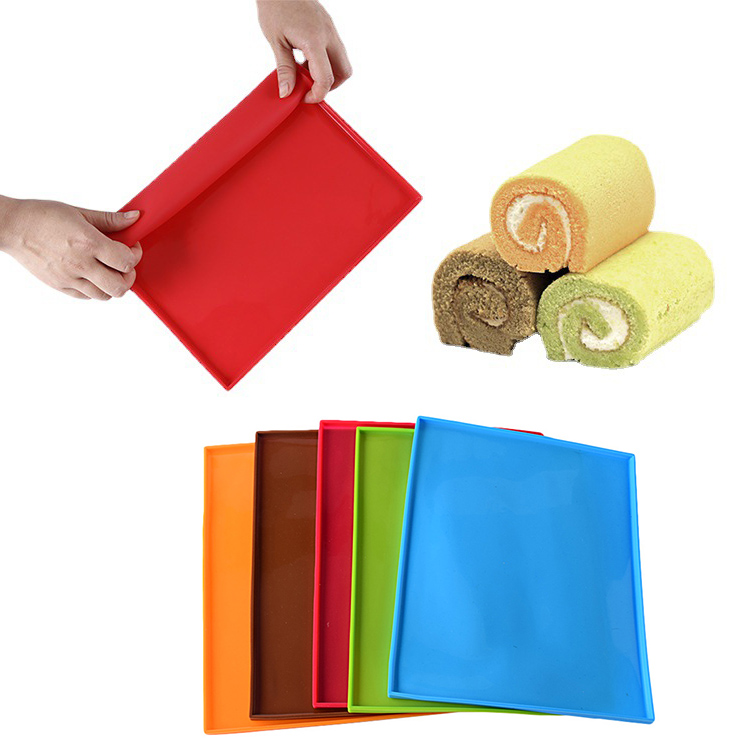
If you enjoy baking at home, you know how convenient a good silicone baking mat can be. From cookies to roasted vegetables to dough kneading, it offers a reusable, eco-friendly alternative to parchment paper.
A common question many bakers ask is: Can silicone baking mats go in the dishwasher?
The answer is yes—but there are a few things you should know to keep your mat clean, safe, and long-lasting. Let’s take a look.
A common question many bakers ask is: Can silicone baking mats go in the dishwasher?
The answer is yes—but there are a few things you should know to keep your mat clean, safe, and long-lasting. Let’s take a look.
can silicone baking mats go in the dishwasher

If you love cooking, you probably appreciate the comfort and convenience that silicone utensils bring to your kitchen. From flexible spatulas to heat-resistant spoons, they make stirring, flipping, and mixing much easier. But when it’s time to clean up, one question often comes up: Are silicone utensils dishwasher safe?
The short answer — yes! But let’s take a closer look at why silicone utensils are not only safe for dishwashers but also one of the smartest choices for a modern kitchen.
The short answer — yes! But let’s take a closer look at why silicone utensils are not only safe for dishwashers but also one of the smartest choices for a modern kitchen.
are silicone utensils dishwasher safe
SEND MESSAGE