
when do kids stop playing with toys
2025-07-10
When do Kids Stop Playing with Toys
Parents often wonder: When will my child outgrow their toys? The answer is more nuanced than a specific age—play evolves as kids grow, and “stopping” is rarely abrupt. As a manufacturer of silicone baby toys designed to grow with little ones, we’re exploring how play changes over time, when kids might shift focus, and why our toys stay relevant longer than you might think.

Play Evolves, It Doesn’t Disappear
Most kids don’t “stop” playing with toys overnight. Instead, their play style transforms:
-
Toddlers (1–3 years): Explore through sensory play, simple puzzles, and imaginative games with dolls or stuffed animals.
-
Preschoolers (3–5 years): Dive into role-play (doctor kits, toy kitchens) and building toys (blocks, trains).
-
Early elementary (6–8 years): Gravitate toward complex puzzles, board games, and creative kits (art sets, science toys).
-
Older kids (9+ years): Shift to social play (sports, video games) or hobby-focused activities, but many still enjoy nostalgic toys or collectibles.
The key? Play remains critical for learning—even as kids get older. What changes is the type of “toy” they engage with.

When Do Kids Start Losing Interest in Traditional Toys?
On average, many kids begin to prioritize other activities around 8–10 years old, but this varies widely. Factors like personality, hobbies, and social circles play a role. A child who loves building might play with construction toys well into their teens, while another might prefer sports by age 9.
Importantly, this isn't a "stop”—it's a transition. Even teens often return to favorite toys for comfort or nostalgia, proving play's lasting power.

Why Silicone Toys Stay Relevant Longer
Our silicone baby toys are designed to adapt to evolving play needs, making them less likely to be outgrown quickly:
-
From Babyhood to Toddlerhood: A silicone teething ring that soothes a 6-month-old becomes a “phone” for a 2-year-old’s pretend calls or a prop in a 3-year-old’s bath-time stories. The soft, durable material stands up to rough play long after teething ends.
-
Sensory Appeal for All Ages: Silicone’s unique texture—squishy, stretchy, and satisfying to touch—appeals beyond babyhood. Older kids might fidget with silicone sensory toys during homework or use them as stress relievers, turning a “baby toy” into a versatile tool.
-
Durability That Lasts: Unlike plastic toys that break or fabric ones that wear thin, our silicone toys withstand years of squeezing, dropping, and imaginative play. They’re often passed down to siblings or kept as keepsakes, outlasting many trendy toys.
-
Nostalgic Value: A child who grew up with a favorite silicone toy (like our stackable cups or animal-shaped teethers) might revisit it during calm moments, turning it into a comfort object that transcends “play.”

Encouraging Play Through the Years
The goal isn’t to make kids play with baby toys forever, but to foster a love of play that evolves. Our silicone toys support this by:
-
Being safe and versatile enough to stay in the toy box as kids grow.
-
Offering open-ended play—no “right way” to use them, so kids can invent new games as their skills develop.
-
Withstanding rough play, so they’re ready when curiosity strikes, even years later.

Final Thought
Kids don’t truly stop playing with toys—they grow into new forms of play. The best toys are the ones that grow with them, and our silicone baby toys do just that. From teething to pretend play to fidgeting, they adapt to your child’s changing needs, proving that great toys aren’t just for babies—they’re for every stage of growing up.
how to make molded chocolate
what toys can infants play with
Related Article

When your baby starts to switch to solid food, choosing the right feeding tools is an important part of keeping meal times safe, healthy and stress-free. Among all the essential items for baby feeding, silicone baby bowls have quickly become the favorite of modern parents around the world.But why is it so important to choose the right silicone baby bowl? So how should parents screen?Let's get started.
Why choosing the right silicone baby bowl is so important

Choosing the right cup for your baby is frustrating for many new parents. From safety to durability to ease of cleaning, every detail is related to the product your baby uses every day. In recent years, silicone baby cups have become increasingly popular among parents around the world. But are they really better than traditional glasses? How do you choose the right one for your child?This guide will tell you everything you need to know.
How to Choose a Suitable Silicone Cup for Your Baby
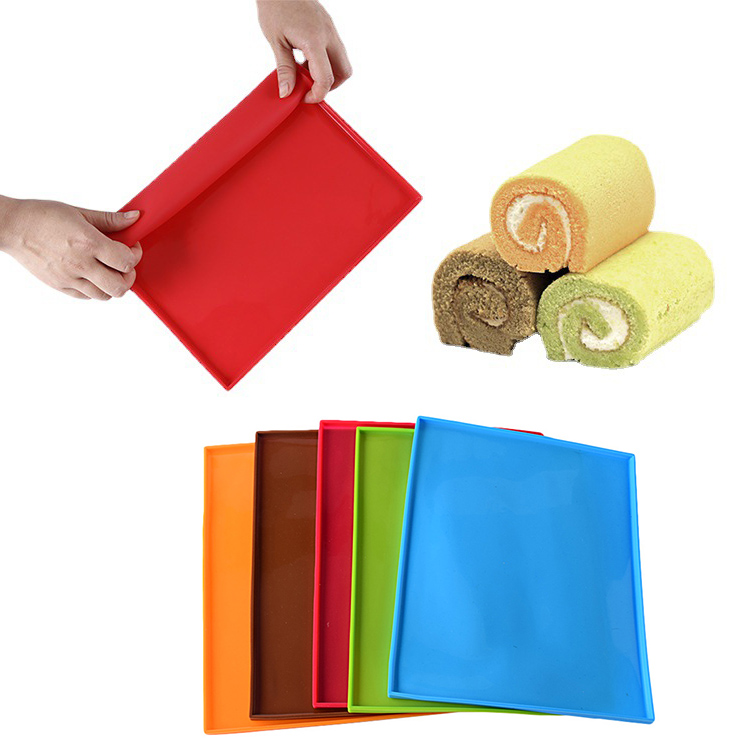
If you enjoy baking at home, you know how convenient a good silicone baking mat can be. From cookies to roasted vegetables to dough kneading, it offers a reusable, eco-friendly alternative to parchment paper.
A common question many bakers ask is: Can silicone baking mats go in the dishwasher?
The answer is yes—but there are a few things you should know to keep your mat clean, safe, and long-lasting. Let’s take a look.
A common question many bakers ask is: Can silicone baking mats go in the dishwasher?
The answer is yes—but there are a few things you should know to keep your mat clean, safe, and long-lasting. Let’s take a look.
can silicone baking mats go in the dishwasher

If you love cooking, you probably appreciate the comfort and convenience that silicone utensils bring to your kitchen. From flexible spatulas to heat-resistant spoons, they make stirring, flipping, and mixing much easier. But when it’s time to clean up, one question often comes up: Are silicone utensils dishwasher safe?
The short answer — yes! But let’s take a closer look at why silicone utensils are not only safe for dishwashers but also one of the smartest choices for a modern kitchen.
The short answer — yes! But let’s take a closer look at why silicone utensils are not only safe for dishwashers but also one of the smartest choices for a modern kitchen.
are silicone utensils dishwasher safe
SEND MESSAGE