
when does baby start teething
2025-07-21
When Does Baby Start Teething?
The arrival of a baby’s first tooth is a milestone that brings equal parts excitement and uncertainty. For parents, understanding when teething begins, how to recognize the signs, and knowing which tools can ease discomfort is key to navigating this phase with confidence. In this guide, we’ll explore the typical teething timeline, share practical tips for care, and explain why silicone finger toothbrushes and teething toys are indispensable during this journey.
When Does Teething Typically Begin?
Teething is a gradual process that starts long before the first tooth becomes visible. Tooth buds form in utero, but the first tooth usually erupts between 4 and 7 months of age. Some babies may start as early as 3 months, while others might not see their first tooth until 12 months—both are perfectly normal.
The eruption order follows a general pattern: lower central incisors (front bottom teeth) appear first, followed by upper central incisors. By 1 year, most babies have 6–8 teeth, and by age 3, all 20 primary teeth are usually in place. This slow progression allows babies to adjust to each new tooth, with each stage bringing new opportunities for oral exploration.
Recognizing the Signs of Teething
Teething symptoms vary, but these common clues can help you identify when your baby is teething:
-
Excessive Drooling: Increased saliva production is one of the earliest signs, often leading to drool rash. A soft bib can help manage this.
-
Gum Sensitivity: Gums may look red, swollen, or tender. Babies often rub their cheeks or ears due to referred pain.
-
Urge to Chew: Chewing applies pressure that relieves gum discomfort. You’ll notice babies gnawing on fists, toys, or fingers.
-
Sleep Changes: Discomfort can disrupt naps and nighttime sleep, leading to restlessness or frequent waking.
-
Mild Fussiness: Soreness may make babies clingy or irritable, with shorter attention spans during play.
-
Temporary Appetite Shifts: Sore gums can make feeding uncomfortable, resulting in shorter nursing or bottle sessions.
Note that severe symptoms like high fever, diarrhea, or vomiting are not typical of teething and require medical attention.
Silicone Finger Toothbrushes: Gentle Care for Emerging Teeth
As soon as the first tooth breaks through, gentle cleaning becomes essential. A silicone finger toothbrush is designed to make this routine safe and effective.
Crafted from 100% food-grade silicone, our finger toothbrushes are non-toxic, BPA-free, and tasteless—critical for items entering a baby’s mouth. The ultra-soft bristles massage tender gums while removing food particles and plaque, avoiding the irritation that rigid nylon brushes can cause.
Durability is a standout feature: silicone’s elasticity withstands enthusiastic biting, ensuring the brush lasts through the entire teething process. It’s reusable for siblings, making it cost-effective.
Using it is simple: slip it over your finger, moisten with warm water, and gently brush in circular motions after feedings. This close interaction builds trust, making future dental care easier.

Why Silicone Teething Toys Are a Must-Have
Teething discomfort calls for tools that soothe while supporting development—and silicone teething toys excel on both counts.
Made from the same food-grade silicone as our finger brushes, these toys are non-toxic, odor-free, and free from harmful chemicals. Their soft yet firm texture provides ideal pressure to sore gums, unlike hard plastic or wood that can irritate.
Ergonomic design is key. Our teething toys come in easy-to-grasp shapes: rings fit tiny fists perfectly, while animal mould (elephants, rabbits) add playful appeal. These designs let babies target specific gum areas independently, building confidence.

Textured surfaces—with bumps, ridges, and grooves—offer multiple benefits. They stimulate oral sensory development, teaching babies to distinguish textures with their lips and tongue, a skill foundational for speech and eating. Chewing also strengthens jaw muscles, aiding in proper dental alignment.
Beyond soothing, these toys boost motor skills. Grasping, holding, and maneuvering the toy enhances hand-eye coordination and finger strength, preparing babies for tasks like self-feeding and writing later on.

Choosing the Right Silicone Teething Toy
Selecting a teething toy involves considering your baby’s needs:
-
Age Suitability: Younger babies (4–6 months) thrive with simple rings or small animals, while older babies (7–12 months) enjoy multi-textured designs.
-
Safety: Our toys have no small parts, undergo rigorous testing, and are sized to prevent choking.
-
Cleaning Ease: Silicone’s non-porous surface resists bacteria. Toys are dishwasher-safe or easily hand-washed, unlike fabric alternatives that trap moisture.
-
Graspability: Textured surfaces and ergonomic shapes ensure a secure hold, reducing frustration during use.

Tips for Maximizing Teething Toy Benefits
-
Chill Gently: Refrigerate (not freeze) toys for 10 minutes to enhance soothing—silicone retains coolness without becoming icy.
-
Rotate Varieties: Different shapes and textures keep babies engaged, providing varied sensory input.
-
Incorporate into Play: Use toys during interactive play to encourage reaching and grasping, boosting motor skills.

Caring for Teething Babies: Beyond Toys
Alongside silicone tools, these practices support oral health:
-
Pre-Tooth Care: Wipe gums with a damp cloth after feedings to reduce bacteria.
-
Avoid Sugary Substances: Never dip teething toys in honey or syrup, which increase decay risk.
-
Monitor Development: Track tooth eruption to anticipate fussy periods and adjust care accordingly.
-
First Dental Visit: Schedule by age 1 to establish a relationship with a pediatric dentist.
Supporting Your Baby Emotionally
Teething’s discomfort can affect mood, so emotional support matters:
-
Extra Cuddles: Physical comfort reduces stress and builds security.
-
Distraction: Engage in play, music, or walks to shift focus from discomfort.
-
Gentle Massage: Use clean fingers or the silicone finger brush to massage gums, providing immediate relief.
Final Thoughts
Teething is a natural journey, and being prepared makes it manageable. Knowing the typical timeline, recognizing symptoms, and using tools like silicone finger toothbrushes and teething toys can transform this phase into an opportunity for bonding and development.
Our silicone products are designed to grow with your baby—from the first tooth’s eruption to the last primary tooth’s arrival. They offer safety, durability, and developmental benefits that make them essential additions to your baby’s care routine.
When does baby start teething? Whenever it happens, with the right knowledge and tools, you’ll be ready to support your little one through every drooly smile and determined chew.
how many minutes in boiling egg
when do babies start to teeth
Related Article

When your baby starts to switch to solid food, choosing the right feeding tools is an important part of keeping meal times safe, healthy and stress-free. Among all the essential items for baby feeding, silicone baby bowls have quickly become the favorite of modern parents around the world.But why is it so important to choose the right silicone baby bowl? So how should parents screen?Let's get started.
Why choosing the right silicone baby bowl is so important

Choosing the right cup for your baby is frustrating for many new parents. From safety to durability to ease of cleaning, every detail is related to the product your baby uses every day. In recent years, silicone baby cups have become increasingly popular among parents around the world. But are they really better than traditional glasses? How do you choose the right one for your child?This guide will tell you everything you need to know.
How to Choose a Suitable Silicone Cup for Your Baby
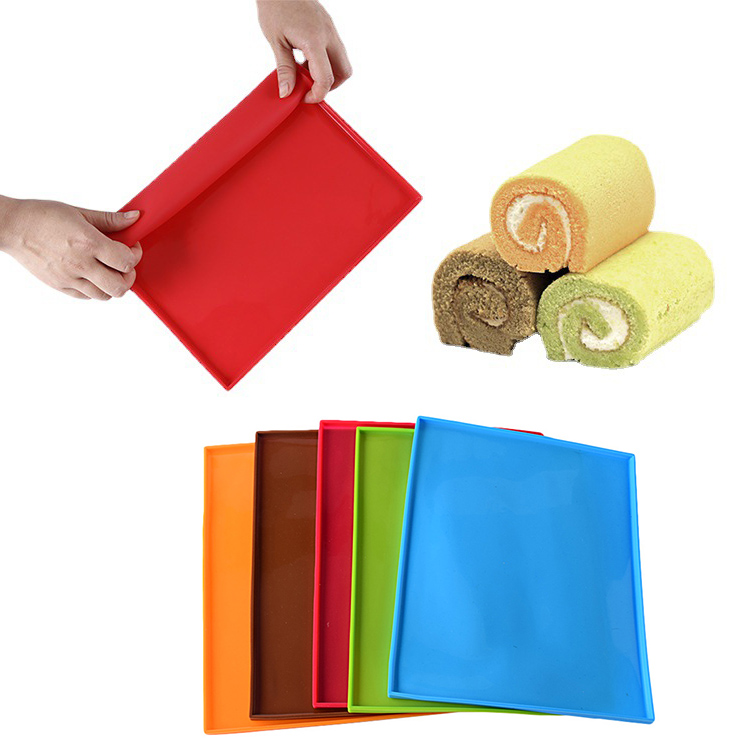
If you enjoy baking at home, you know how convenient a good silicone baking mat can be. From cookies to roasted vegetables to dough kneading, it offers a reusable, eco-friendly alternative to parchment paper.
A common question many bakers ask is: Can silicone baking mats go in the dishwasher?
The answer is yes—but there are a few things you should know to keep your mat clean, safe, and long-lasting. Let’s take a look.
A common question many bakers ask is: Can silicone baking mats go in the dishwasher?
The answer is yes—but there are a few things you should know to keep your mat clean, safe, and long-lasting. Let’s take a look.
can silicone baking mats go in the dishwasher

If you love cooking, you probably appreciate the comfort and convenience that silicone utensils bring to your kitchen. From flexible spatulas to heat-resistant spoons, they make stirring, flipping, and mixing much easier. But when it’s time to clean up, one question often comes up: Are silicone utensils dishwasher safe?
The short answer — yes! But let’s take a closer look at why silicone utensils are not only safe for dishwashers but also one of the smartest choices for a modern kitchen.
The short answer — yes! But let’s take a closer look at why silicone utensils are not only safe for dishwashers but also one of the smartest choices for a modern kitchen.
are silicone utensils dishwasher safe
SEND MESSAGE