
When to start feeding baby food
2025-06-06
When to Start Feeding Baby Food: A Guide for New Parents
As a new parent, one of the most common questions you might have is when to start feeding your baby solid food. While breast milk or formula remains the primary source of nutrition for infants, introducing baby food at the right time is crucial for their development. So, when exactly is the appropriate moment to take this step?

The General Timeline Recommended by Experts
The general recommendation from pediatricians is to start introducing solid foods around 4 to 6 months of age. However, this timeline isn’t one-size-fits-all. It’s essential to look for specific developmental signs in your baby rather than strictly following a calendar. One key indicator is when your baby can hold their head up steadily, which shows they have the neck control needed to swallow safely. Another sign is when they start showing interest in food, such as staring at what you’re eating or making movements that suggest they want to grab your plate.
Why 6 Months Is an Ideal Starting Point
Waiting until around 6 months is often ideal because before this age, a baby’s digestive system may not be fully developed to handle solid foods. Their tongue-thrust reflex, which pushes food out of the mouth, also tends to fade around 6 months, making it easier for them to accept new textures. Starting too early, before 4 months, can increase the risk of allergies, digestive issues, and even obesity later in life. On the other hand, delaying beyond 6 months might make it harder for your baby to adapt to different foods, as they could become more resistant to new tastes and textures.
Best Practices for Introducing Baby Food
When you do start introducing baby food, begin with single-grain cereals like rice or oatmeal, followed by pureed fruits and vegetables. It’s important to introduce one new food at a time, waiting 3 to 5 days between each new item. This allows you to monitor for any allergic reactions, such as rashes, diarrhea, or vomiting. Remember, the goal at first isn’t to replace breast milk or formula but to let your baby explore new flavors and get used to the process of eating.

Key Takeaways for Parents
In conclusion, the best time to start feeding baby food is when your baby shows physical and developmental readiness, typically between 4 and 6 months. Always consult with your pediatrician to ensure you’re making the right decision for your little one’s unique needs. Paying attention to your baby’s cues and taking the process slowly will help make this transition a positive and healthy experience for both of you.
How to bottle feed a baby
How long to cook bacon in the oven
Related Article

When your baby starts to switch to solid food, choosing the right feeding tools is an important part of keeping meal times safe, healthy and stress-free. Among all the essential items for baby feeding, silicone baby bowls have quickly become the favorite of modern parents around the world.But why is it so important to choose the right silicone baby bowl? So how should parents screen?Let's get started.
Why choosing the right silicone baby bowl is so important

Choosing the right cup for your baby is frustrating for many new parents. From safety to durability to ease of cleaning, every detail is related to the product your baby uses every day. In recent years, silicone baby cups have become increasingly popular among parents around the world. But are they really better than traditional glasses? How do you choose the right one for your child?This guide will tell you everything you need to know.
How to Choose a Suitable Silicone Cup for Your Baby
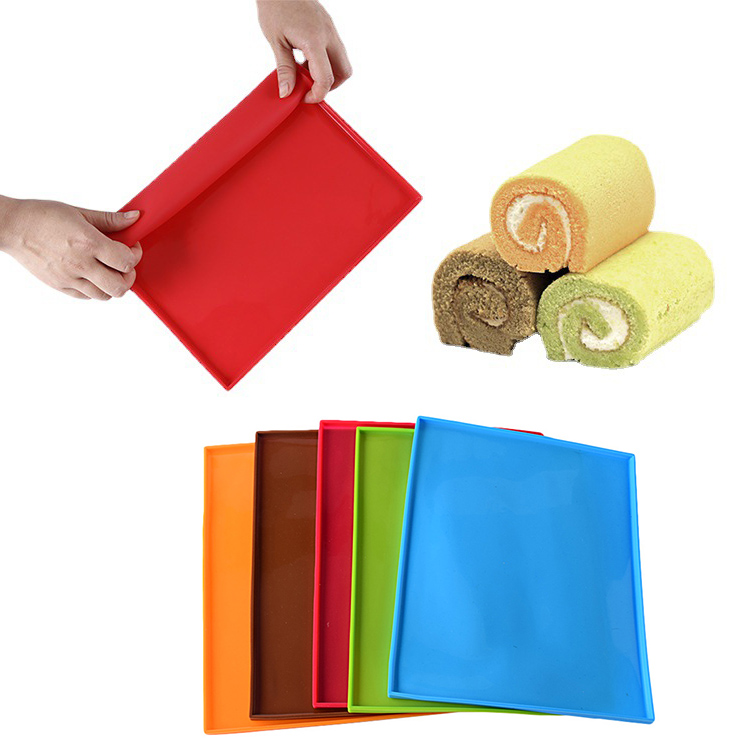
If you enjoy baking at home, you know how convenient a good silicone baking mat can be. From cookies to roasted vegetables to dough kneading, it offers a reusable, eco-friendly alternative to parchment paper.
A common question many bakers ask is: Can silicone baking mats go in the dishwasher?
The answer is yes—but there are a few things you should know to keep your mat clean, safe, and long-lasting. Let’s take a look.
A common question many bakers ask is: Can silicone baking mats go in the dishwasher?
The answer is yes—but there are a few things you should know to keep your mat clean, safe, and long-lasting. Let’s take a look.
can silicone baking mats go in the dishwasher

If you love cooking, you probably appreciate the comfort and convenience that silicone utensils bring to your kitchen. From flexible spatulas to heat-resistant spoons, they make stirring, flipping, and mixing much easier. But when it’s time to clean up, one question often comes up: Are silicone utensils dishwasher safe?
The short answer — yes! But let’s take a closer look at why silicone utensils are not only safe for dishwashers but also one of the smartest choices for a modern kitchen.
The short answer — yes! But let’s take a closer look at why silicone utensils are not only safe for dishwashers but also one of the smartest choices for a modern kitchen.
are silicone utensils dishwasher safe
SEND MESSAGE