
Which is safer nylon or silicone cooking utensils
2025-04-23
Which is safer: nylon or silicone cooking utensils
When it comes to kitchen safety, the choice of cooking utensils plays a crucial role. Two popular options, nylon and silicone cooking utensils, are often compared for their safety. Let's take a closer look at each to determine which is the safer choice.

Material Properties
Nylon is a synthetic polymer known for its durability and strength. It is lightweight, resistant to abrasion, and can withstand a fair amount of wear and tear. On the other hand, silicone is a rubber-like material made from silicon, oxygen, carbon, and hydrogen. It has excellent flexibility, heat resistance, and non-stick properties. Silicone is also hypoallergenic, making it a great option for those with sensitive skin or allergies.
High - Temperature Performance
One of the key factors in utensil safety is how they perform under high temperatures. Nylon utensils typically have a lower heat resistance. They can start to melt or warp at relatively low temperatures, usually around 220 - 250 degrees Celsius (428 - 482 degrees Fahrenheit). If a nylon utensil is accidentally left on a hot pan or used at extremely high cooking temperatures, it can release harmful chemicals into the food.
Silicone, on the other hand, has a much higher heat resistance. Most silicone cooking utensils can withstand temperatures up to 230 - 260 degrees Celsius (446 - 500 degrees Fahrenheit), and some high - quality ones can even go up to 300 degrees Celsius (572 degrees Fahrenheit). This means that silicone utensils are less likely to melt or degrade during normal cooking processes, reducing the risk of chemical contamination.

Cleaning and Maintenance
In terms of cleaning, both nylon and silicone utensils are relatively easy to clean. Nylon utensils can be washed by hand or in the dishwasher. However, if not properly cleaned, food particles can get trapped in small scratches on the surface, potentially leading to the growth of bacteria. Silicone utensils are also dishwasher - safe and have a non - porous surface, which makes it difficult for food and bacteria to adhere. This non - porous nature helps maintain better hygiene and reduces the risk of cross - contamination.
Health Risks
When it comes to potential health risks, nylon utensils may pose a concern when exposed to high heat. As mentioned earlier, the melting or warping of nylon can release chemicals into the food. These chemicals may have negative impacts on human health over time. In contrast, silicone is considered a food - grade material and is generally recognized as safe by regulatory bodies. It does not release harmful substances under normal cooking conditions, making it a more reassuring option for health - conscious cooks.

In conclusion, while both nylon and silicone cooking utensils have their advantages, silicone utensils tend to be the safer choice. Their higher heat resistance, non - porous surface for better hygiene, and lack of harmful chemical release under normal cooking conditions make them a more reliable option for everyday kitchen use. However, it's important to note that proper use and maintenance of any cooking utensils are essential to ensure long - term safety and functionality.
How often should you bathe a baby
Are silicone cooking utensils safe
Related Article

When your baby starts to switch to solid food, choosing the right feeding tools is an important part of keeping meal times safe, healthy and stress-free. Among all the essential items for baby feeding, silicone baby bowls have quickly become the favorite of modern parents around the world.But why is it so important to choose the right silicone baby bowl? So how should parents screen?Let's get started.
Why choosing the right silicone baby bowl is so important

Choosing the right cup for your baby is frustrating for many new parents. From safety to durability to ease of cleaning, every detail is related to the product your baby uses every day. In recent years, silicone baby cups have become increasingly popular among parents around the world. But are they really better than traditional glasses? How do you choose the right one for your child?This guide will tell you everything you need to know.
How to Choose a Suitable Silicone Cup for Your Baby
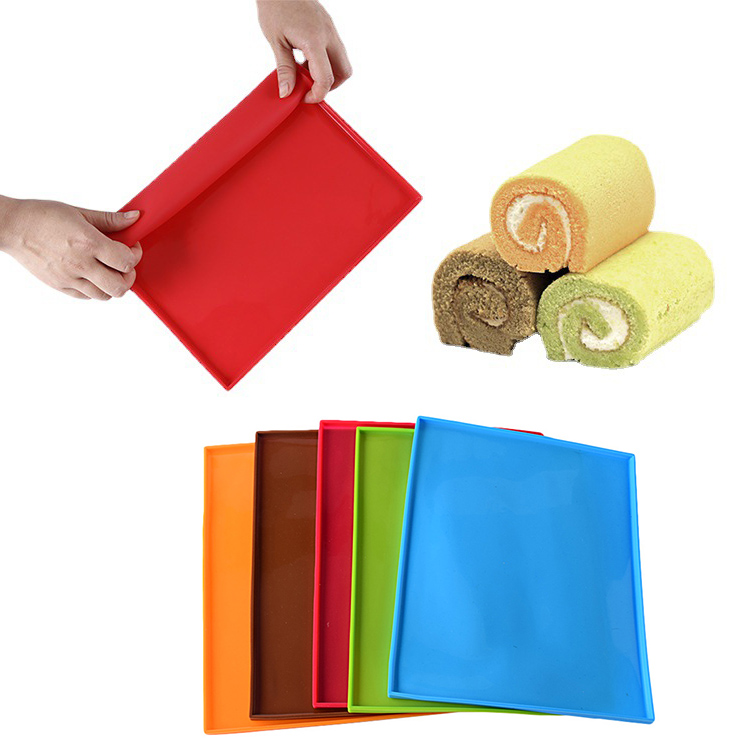
If you enjoy baking at home, you know how convenient a good silicone baking mat can be. From cookies to roasted vegetables to dough kneading, it offers a reusable, eco-friendly alternative to parchment paper.
A common question many bakers ask is: Can silicone baking mats go in the dishwasher?
The answer is yes—but there are a few things you should know to keep your mat clean, safe, and long-lasting. Let’s take a look.
A common question many bakers ask is: Can silicone baking mats go in the dishwasher?
The answer is yes—but there are a few things you should know to keep your mat clean, safe, and long-lasting. Let’s take a look.
can silicone baking mats go in the dishwasher

If you love cooking, you probably appreciate the comfort and convenience that silicone utensils bring to your kitchen. From flexible spatulas to heat-resistant spoons, they make stirring, flipping, and mixing much easier. But when it’s time to clean up, one question often comes up: Are silicone utensils dishwasher safe?
The short answer — yes! But let’s take a closer look at why silicone utensils are not only safe for dishwashers but also one of the smartest choices for a modern kitchen.
The short answer — yes! But let’s take a closer look at why silicone utensils are not only safe for dishwashers but also one of the smartest choices for a modern kitchen.
are silicone utensils dishwasher safe
SEND MESSAGE